SNAP continues to strengthen its sustainability performance in 2025
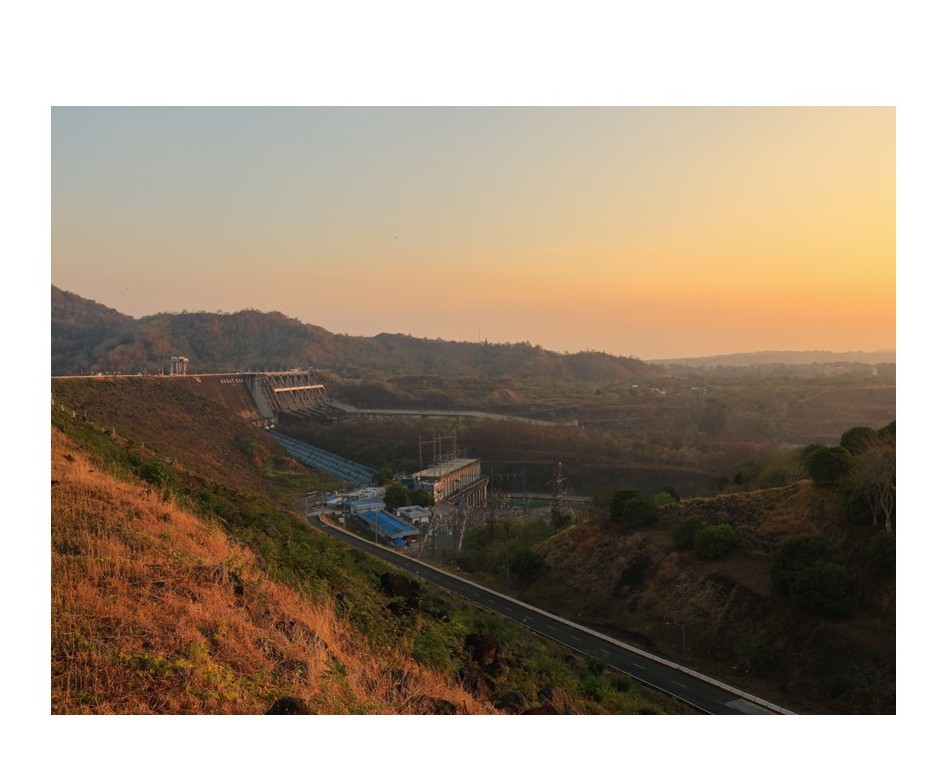
Renewable energy provider SN Aboitiz Power Group (SNAP) continues to strengthen its sustainability performance across its operations, with improvements in safety, environmental stewardship, and community programs.
In 2025, SNAP delivered 1.72 TWh of renewable energy, supporting the country’s clean energy transition while improving its operational reliability. The company achieved an availability factor of 95.2% – well above the global average for hydro of around 81% – and an improvement from its availability factor of 93% in 2024. Safety remained a top priority, with SNAP achieving over 10.8 million safe man-hours with zero lost-time injuries across its operations. This reflects the company’s continued emphasis on a strong safety culture and proactive risk management.
“Sustainability has always been at the core of how we operate,” said Joseph Yu, SNAP Group’s President and Chief Executive Officer. “Our focus is not only on ensuring the long-term viability of our assets, but also on creating meaningful and measurable impact for our communities and the environment.”
Watershed management and biodiversity initiatives were maintained in 2025, with 23.7 hectares of watershed areas rehabilitated and 39,500 seedlings planted in project sites. These efforts are implemented through flagship programs such as the Partnership in Uplifting Upland Natural Resources, Livelihood and Assets (PUNLA) and the Aboitiz Group’s A-Park reforestation program, in collaboration with local government units, indigenous peoples’ organizations, and partner communities.
Long-term conservation efforts continued through the Adopt-a-Watershed Program, which includes forest protection measures, including fireline establishment, patrols, and community-based monitoring.
SNAP also sustained its investments in its host communities, allocating approximately ₱36 million in CSR investments, supporting programs on infrastructure, education, livelihood, governance, health, indigenous peoples’ programs, and environmental protection across its host communities. Through its Community Investment and Development Program, SNAP works closely with local stakeholders to identify and implement projects that address community needs, reinforcing its partnership-driven approach to development. SNAP also implemented CSR initiatives in support of its battery energy storage projects, as well as partnerships with other organizations such as Aboitiz Foundation, including a solar power and connectivity project for a last-mile school in Benguet.
SNAP’s flagship education initiative, BRIGHTS (Bridging Gaps in Higher Education through Tertiary Scholarships), continued to provide support to students from host communities. In 2025, the program supported 45 active scholars, including 12 new scholars, with 60 graduates completing their degrees.
As it looks to the future, SNAP continues to pursue opportunities to expand its renewable energy portfolio, including developments in battery energy storage in Magat, Binga, and Ambuklao, as well as its first commercial-scale floating solar project on the Magat reservoir, while advancing its ESG commitments.
“With sustainability as our foundation, we will continue to enhance our operations, strengthen our partnerships, and contribute to a more resilient and sustainable energy future,” Yu said. #