
UP Study Identifies Opportunities and Challenges for Advanced DNA Technology in SEA Forensics
By: Eunice Jean C. Patron
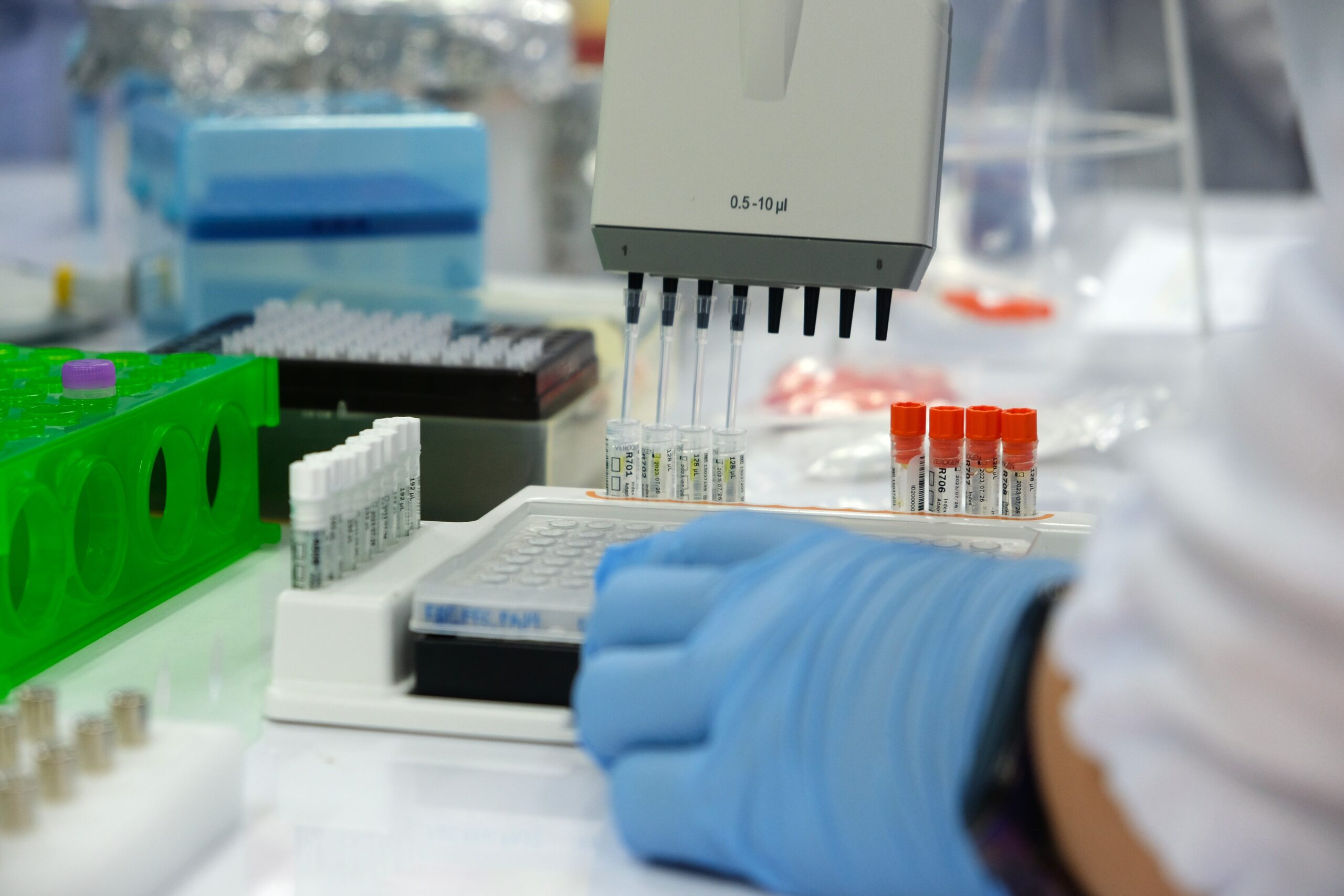
In the Photo. Massively parallel sequencing (MPS) is transforming the way humans are identified. (Photo credit: Christian Estrella)
Massively parallel sequencing (MPS) has transformed forensic DNA analysis by allowing scientists to examine multiple DNA markers at the same time and in much greater detail than older methods. Even so, MPS is still not widely used in Southeast Asian countries. Researchers from the University of the Philippines Diliman – College of Science’s Natural Sciences Research Institute (UPD-CS NSRI) reviewed the use of MPS in forensic DNA laboratories across the region to identify the key challenges to its adoption. In forensic DNA analysis, the long-standing standard is short tandem repeat (STR) profiling using capillary electrophoresis, which identifies individuals by measuring length variations in specific DNA markers. MPS can analyze these same markers, but it also reads the actual DNA sequence within them, providing far more detailed genetic information.
Obstacles facing MPS adoption
Christian Estrella, Maylowen Lumayna, Minerva Sagum, Maeviviene Sosing, Gayvelline Calacal, Dr. Maria Corazon De Ungria, and Jazelyn Salvador from the UPD-CS NSRI’s DNA Analysis Laboratory conducted an online survey of forensic DNA laboratories in Brunei Darussalam, Indonesia, Malaysia, the Philippines, Singapore, Thailand, and Vietnam.
“For laboratories that do not yet use MPS, the biggest obstacle is funding and infrastructure—it’s difficult even to get started without financial support. This is not surprising for low- and middle-income countries in Southeast Asia,” Estrella explained. “Meanwhile, laboratories that already have MPS equipment face more operational challenges, such as limited population data, inconsistent reporting standards, and incompatibility with existing DNA databases.”
He added that another major challenge is the lack of legislation and court acceptance. Traditional DNA methods are already recognized in court, but for MPS, there is still uncertainty about whether courts will accept the results, especially given laboratory processes that can be difficult to explain to non-technical audiences.
Future directions for MPS in Southeast Asia
According to the researchers, the future of MPS in Southeast Asia holds significant promise despite challenges currently facing its implementation. There is strong regional interest in adopting the technology, which—if used strategically—can significantly accelerate the expansion of DNA databases using markers that are more relevant to the region.
Southeast Asia can start by selectively introducing MPS into forensic casework. While conventional methods work well for routine cases, MPS is valuable for challenging samples, such as degraded DNA from fires or disasters, or cases involving distant family relationships. MPS can analyze smaller DNA markers, so it can still produce usable results when traditional methods fall short.
“We recommend that each country establish at least one fully capable MPS laboratory as a national hub, where forensic services can be centralized to reduce costs and resource demands,” Estrella concluded. “However, this will only succeed with sustained government funding and strong political commitment. Convincing the government that MPS is a long-term investment that strengthens national forensic capacity—not only for criminal cases, but also for disaster response, human identification, and human rights protection—is key to securing that support.” #
References:
Estrella, C. S., Lumayna, M. P., Sagum, M. D., Sosing, M. V., Calacal, G. C., De Ungria, M. C., & Salvador, J. M. (2025). Challenges in using massively parallel sequencing technology for forensic DNA analysis in Southeast Asia. Forensic Science International: Synergy, 11, 100638. https://doi.org/10.1016/j.fsisyn.2025.100638