
Scribbles of discontent: Graffiti and banyulatin as works of literature
By: Danika Geronimo, Ateneo de Manila University Research Communications
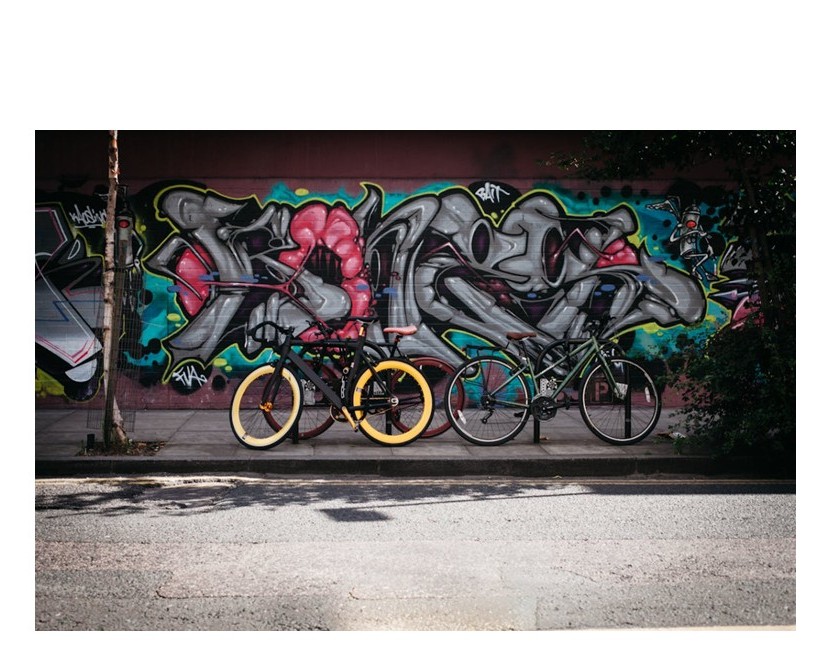
Photo c/o Clem Onojeghuo via Pexels
The law often dismisses graffiti as “destruction,” “anarchy,” or even as mere “dirt.” But new research from the Ateneo de Manila University’s Filipino Department reveals what laws may not: that graffiti can be seen as works of literature emerging from unequal access to space and speech. Indeed, vandalism and bathroom graffiti—banyulatin in Filipino—beg us to ask why someone felt compelled to write them in the first place.
When speech is pushed out of public life, it finds refuge in the margins: spray-paint scrawls sinking into walls and corners, words etched into bathroom stalls. Graffiti settles into spaces where the authority’s gaze is less sharp. Although public spaces are often imagined as open and neutral, in truth, they are sites of contestation: places where power decides whose voices may linger and whose must fade quietly into the cracks.
Faculty researcher Harvey James G. Castillo listens closely to these voices. His work reveals that graffiti and banyulatin are far from mindless acts of vandalism; instead, they are honest attempts to be heard when power silences dissent. These suppressed forms of writing ask us to read beyond policy and see literature as an instrument where repression and expression meet.
Drawing on Filipino literature, Castillo shows how graffiti is shaped by risk anchored in spatial struggle. Anger, humor, political critique, and despair surface in these markings because official forums often cannot accommodate them. Public walls, then, become grounds for voices excluded from dominant narratives of progress and civility.
These spatial politics show how power governs not just what is said, but where it appears. As Castillo posits, some spaces become permissible only when the state controls the message it once condemned, even as other spaces become criminalized. In this front-and-back politics of space, names of the wealthy are displayed in plain view, while informal markings of the marginalized are pushed to the back and hidden parts of infrastructure. Literature often highlights bathrooms as semi-private spaces where authority loosens, and anonymity frees people to speak more openly. Here, banyulatin becomes conversations of collective tensions and anxieties.
Exposing how legal approaches to graffiti fall short, Castillo turns to Philippine literature as a site of liberation. While laws may seek to punish and paint over graffiti, literature restores context—situating these writings within specific historical moments, including dictatorship, class struggle, and social surveillance. In this light, graffiti is not simply an offense, but a kind of testimony. It transforms into voices that persist and echo long after walls have been repainted countless times.
When one reads these walls through the lens of literature, following the stories that fill their cracks and corners, one uncovers narratives of hope, defiance, and a refusal to be erased from the social fabric. In spaces where survival and resistance take root, these writings continue to matter: today, as questions of voice and belonging intensify, graffiti remains a vital intervention in public discourse.
What was once dismissed as noise becomes something to be read, interpreted, and remembered.
Harvey James G. Castillo published “Tinig-Karakter sa mga Pader: Graffiti, Bandalismo, at mga Banyulatin sa Piling Panitikang Filipino” in Humanities Diliman: A Journal on Philippine Humanities in December 2025.
SOURCE: https://archium.ateneo.edu/filipino-faculty-pubs/123/