106 years, 106 stories exhibit “Daily Lives, Hidden Voices” opens on February 21 (Saturday)
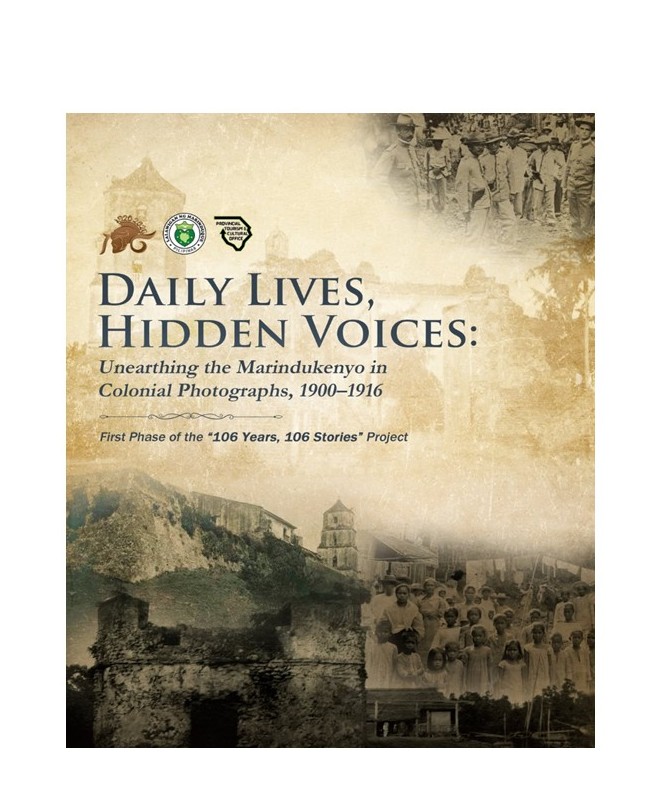
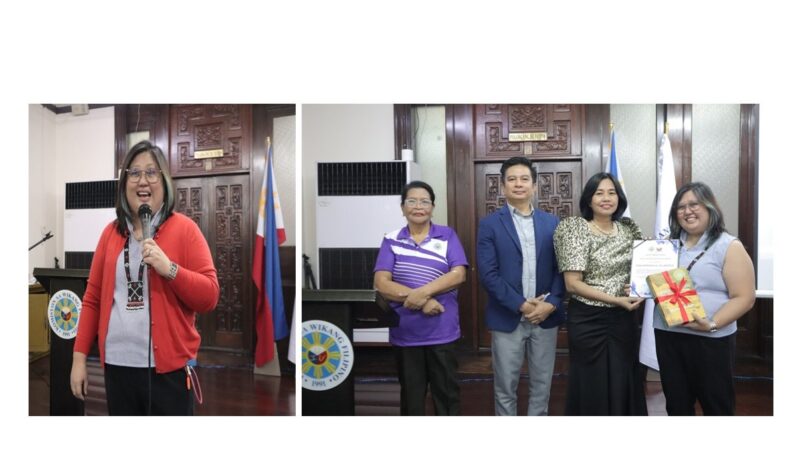
Boac, Marinduque – As part of the commemorative activities marking the 106th Re-establishment Anniversary of the Province of Marinduque, the public is cordially invited to join the opening of the first phase of the 106 Years, 106 Stories project titled 𝑫𝒂𝒊𝒍𝒚 𝑳𝒊𝒗𝒆𝒔, 𝑯𝒊𝒅𝒅𝒆𝒏 𝑽𝒐𝒊𝒄𝒆𝒔: 𝑼𝒏𝒆𝒂𝒓𝒕𝒉𝒊𝒏𝒈 𝑴𝒂𝒓𝒊𝒏𝒅𝒖𝒌𝒆𝒏𝒚o 𝒊𝒏 𝑪𝒐𝒍𝒐𝒏𝒊𝒂𝒍 𝑷𝒉𝒐𝒕𝒐𝒈𝒓𝒂𝒑𝒉𝒔, 1900—1916. The event will take place on February 21, 2026, at 11:00 AM in the 2nd floor of the Provincial Capitol Building.
The first phase exhibit showcases photographs taken in Marinduque during the Philippine-American War and the early American Occupation. These images provide a glimpse into how photography was employed by the Americans to justify and legitimize their imperialist and colonial endeavors in the Philippines during the early 20th century.
As “certificates of presence and existence,” these photographs were strategically designed to portray the inhabitants of Marinduque as primitive, exotic, and racially inferior, thereby reinforcing the notion that American intervention and its civilizing influence were essential for the betterment of the Philippines. Despite the colonial legacy that Marinduque bears, these images offer a window into the diverse heritage, autonomy, agency, and even resistance of the Marindukenyo against colonial hegemony.
According to the Marinduque Tourism and Cultural Office, during the late 19th and early 20th centuries, the shift from one colonial power to another led to American imperialism stripping the First Philippine Republic of its independence.
Photography was employed as a tool to legitimize the colonial endeavor and invasion of the Philippines. It served as an epistemological vessel for shaping reality, transforming into a tool that portrayed and misrepresented Filipinos as “savages” and “uncivilized” in accordance with the colonial narrative.
This narrative justified their intervention and presence in the archipelago through principles such as the White Man’s Burden, Manifest Destiny, and Benevolent Assimilation. However, behind these distorted colonial images lies the recognition of the agency, autonomy, and even the resistance of Filipinos against imperial hegemony.
As part of the ongoing collections building for the gallery titled “106 Years, 106 Stories,” commemorating Marinduque’s 106th anniversary of becoming an independent province, this exhibition delves into the Marindukenyo—their identity, voice, and daily life during the colonial era. It showcases photographs from the Philippine-American War and the early years of American occupation.
While acknowledging the realities of colonial rule, the exhibit also highlights the ingenuity, brilliance, and resilience of our ancestors. These images serve as a testament to the Marindukenyo’s, like Filipinos in general, inherent worth and vibrant heritage, deserving of celebration.
The photographs on display are sourced from diverse digital archives, libraries, and repositories, including the U.S. National Archives and Records Administration, the Philippine Photographs Digital Archive at the University of Michigan Library, the Bentley Historical Library, the Peabody Museum of Archaeology and Ethnography, and the Ortigas Foundation Inc. Library.
Additionally, the exhibit features contributions from Marinduque residents through loans and donations. The exhibition will be open to the public from February 21 to March 7, and visitors can explore it from Monday to Friday, from 8:00 AM to 5:00 PM. #