Baguio finalizes pandemic preparedness plan

The city government of Baguio conducted a two-day strategic policy table top exercise to test and enhance the local government unit’s preparedness for a major biological crisis particularly on novel influenza pandemic.
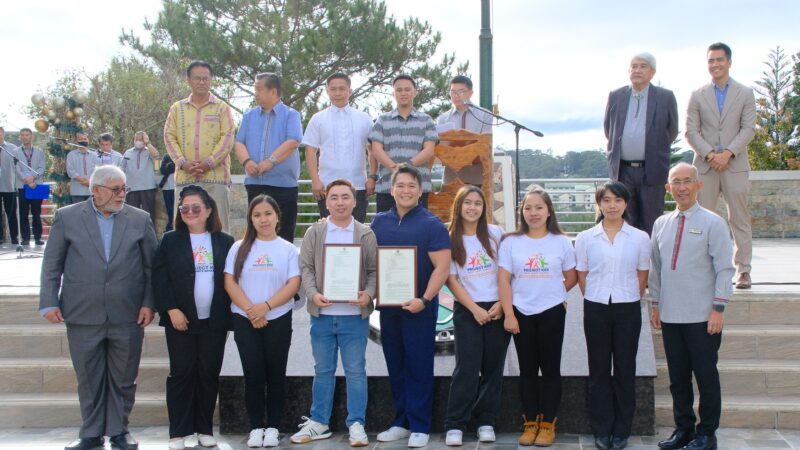
Led by the City Health Services Office and the City Disaster Risk Reduction and Management Office with support from the World Health Organization (WHO) Western Pacific Region, the exercise held Dec. 1-2, 2025 gathered more than 45 selected participants from the city government and national government agencies.
City Health Services Officer Dr. Celia Flor Brillantes said the table top exercise is a follow up activity of an After-Action Review (AAR) of the coronavirus disease pandemic response of the city government conducted last year – a pilot project of the WHO for an LGU.
Dr. Donnabel Panes of the CHSO City Epidemiology Surveillance Unit explained that the city government was able to draft its Pandemic Preparedness Plan after the conduct of the AAR necessitating a simulation exercise before it is finalized for implementation.
Rowena Capistrano, WHO Senior Technical Coordinator for Emergencies, explained the AAR was a qualitative review of actions conducted by the city government in response to the Covid pandemic that led to the identification of best practices and areas for improvement.
“Our goal is to develop a Pandemic Preparedness and Response Plan for Baguio City through an analysis of what worked well and what worked less well, and why, during the actual implementation of COVID-19 response plans,” Capistrano said.
The WHO uses 13 pillars of response from country-level coordination, planning and monitoring to public health and social measures that are also covered in the six response clusters of the Department of Health Philippines namely: Prevent, Detect, Isolation and Quarantine, Treat, Reintegration and Vaccination (PDITRV).
Among the best practices identified were the use of digital technology in PDITRV; implementation of border controls; mobility restrictions and minimum public health protocols; zonal lockdowns; triaging; contact tracing; use of community leaders as vaccination champions; and collaboration with the private sector, volunteer initiatives and national line agency partnerships among others.
On the challenges, the need to enhance the city’s risk and crisis communications plan was identified for unified and clear information dissemination communication (IEC) procedure; address discrimination and stigma against frontliners and patients; and upgrading of health equipment and technologies.
The need for improved healthcare staffing and capacity training for frontline workers was likewise pointed to avoid manpower fatigue in the face of another pandemic.
Also needed in the city is to improve the sourcing and supply of raw materials needed for oxygen and personal protective equipment (PPEs) as well as the need to prioritize the development of infrastructures for treatment, isolation and quarantine; improved laboratories and testing facilities among others.
The plan once approved will serve as a blueprint for response operations to health emergencies according to Engr. Charles Bryan Carame of the CDRRMO. – JM Samidan