SLU holds Media and Information Literacy Summit 2025

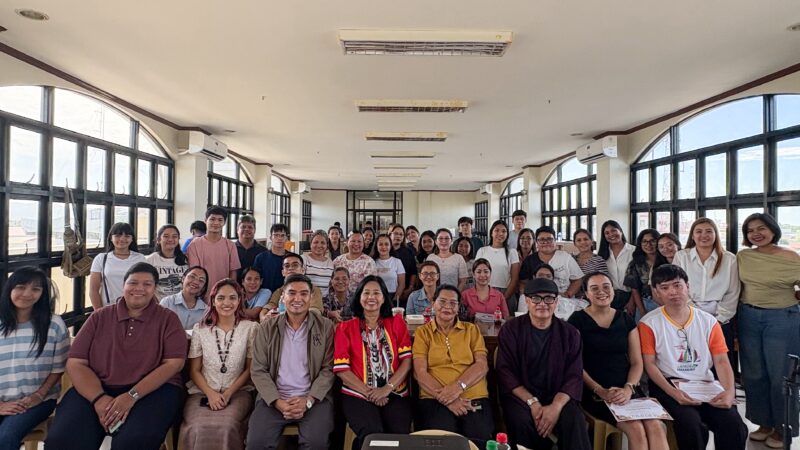
Students and educators from the Summer Capital’s public and private educational institutions joined the Media and Information Literacy Summit, spearheaded by Saint Louis University Communication students/Project MILAN, Nov. 21, in partnership with the City Government of Baguio, through Councilor Vladimir Cayabas and SLU Communication Society, at the City Hall multipurpose hall.
Project MILAN: MIL Summit 2025 is spearheaded by Dr. Janet S. Tibaldo, the project convener and an instructor, and third-year SLU Communication in celebration of UNESCO’s MIL Week, together with the office of Councilor Vladimir Cayabas, Committee on Education chair, with the theme, “Smart Citizens, Safe Communities: Strengthening MIL in Digital Spaces.
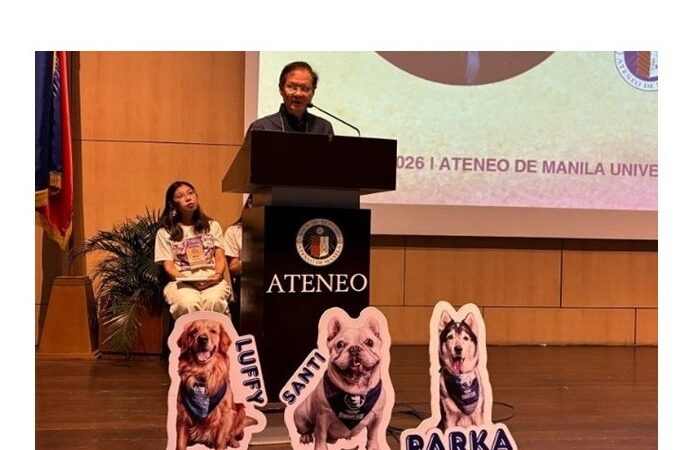
It aims to empower the Baguio City community about MIL and Artificial Intelligence. “AI is here to stay and it’s not to say that we’re just going to embrace it with open arms but we still have to utilize yung ating human agency, yung ating human brain, critical analysis, and the like to be able to see through content that we do receive,” Tibaldo said.
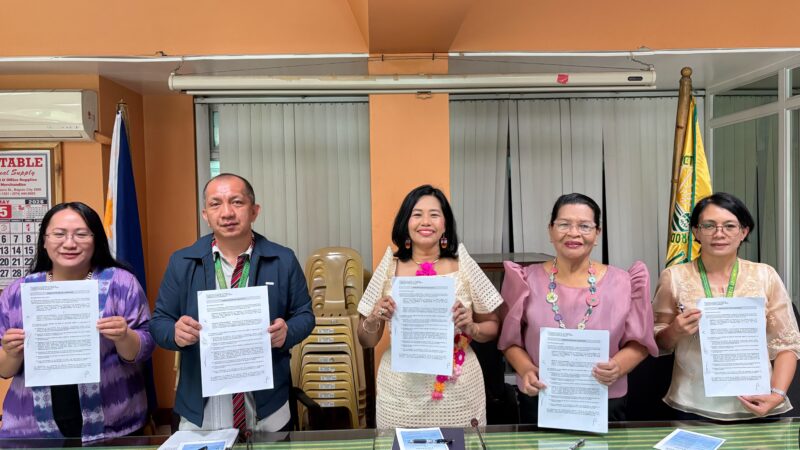
Cayabas thanked the organizers and participants of the activity and shared the proposed MIL ordinance that has been approved for first reading and referred to his committee for review.
Tibaldo, Kaye Leah Sitchon, and Neil Clark Ongchangco led a MIL conversation on the use of AI in the education sector and its effects on today’s learners while a conversation on how AI is reshaping education, how to be a responsible digital citizen, and the crucial role of fact-checking information was also held.Tibaldo talked on “Education for the Algorithmic Age: Media & AI Literacy (MAIL) in the PH Learning Landscape” – an emphasis on the Filipino Learners’ landscapes that are recorded, which have a high level of usage of social media platforms based on the reports from We Are Social and Meltwater.
She also discussed the country’s education crisis which ranked fifth among Southeast Asian countries, including the lack of learning materials and an outdated education system as well as the importance of algorithms and AI, reminding them that, despite having different accounts to access platforms, they ultimately lead back to a single user.
“We have to really be smarter than the smart technologies we have and the smart students we have. As teachers, we need to be smarter. And how do we become so by leveling up, by trying to update our knowledge and skills too, so that we’d be able to deliver in a much better way,” she said.
Sitchon, an instructor at SLU, opened a conversation about “Teacher-led AI Literacy: Shaping Student Agency and Ethics”, highlighting the importance of AI literacy as part of the education curriculum, as it is what employers are looking for in applicants and the dependence of students on AI-generated tools which challenges them to be critical thinkers and how to handle information.
She later reiterated that, while helpful, it can also be harmful to the user. “It’s very secluded – AI, if we get stuck with it, over-reliant, and we forget that we are people, it is very harmful.”
Kaye then stressed the significance of teacher-led AI literacy, ensuring that students understand their boundaries when using it, build balanced habits, and become responsible users.
Ongchangco, a personnel of the Baguio City Public Information Office, lectured on the “Role of AI in Photography”, discussing the integration of AI in photo editing software that is used by photographers and showed a comparison of mobile photography and the camera.
Congressman Mauricio Domogan pointed out the need to differentiate between what’s real and what’s not, underscoring the importance of MIL in media and social media work.
With the success of the event, Ren Garcia, Project Manager for Project MILAN, hopes that the discussion of MIL and AI will continue and expand to a wider audience to improve their skills. – Jaeda Pad-eng, PIO intern / Gaby Keith