
It’s a Wrap for the 42nd Peoples Cordillera Day!
The 42nd Peoples’ Cordillera Day was commemorated across the Cordillera region and beyond, bringing together a total of 1,600 delegates from Indigenous communities, advocates, and allies in the decentralized celebrations within the region. Each venue carried its own distinct character, highlighted issues, and line-up of activities, but all were united by the Central Theme: Assert Our Right to Land, Life, and Livelihood.
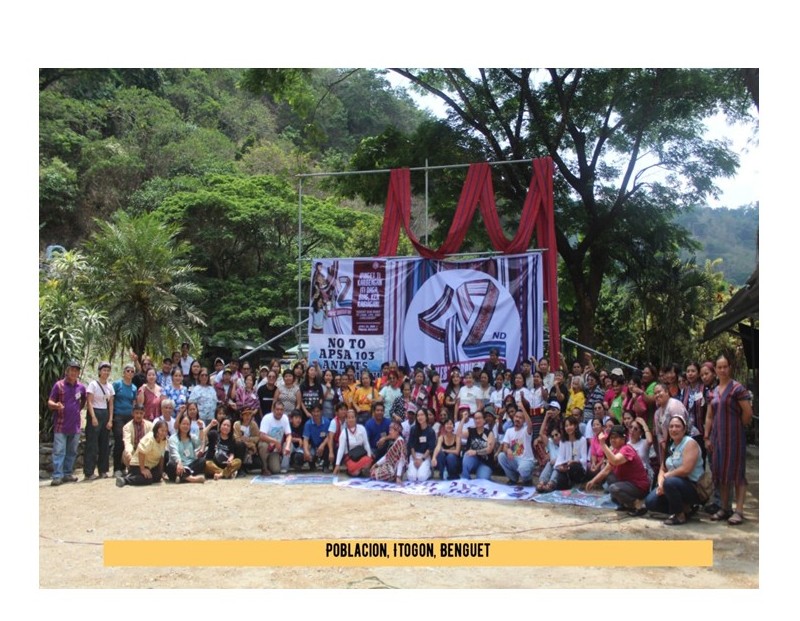
In Itogon, Benguet, more than three hundred delegates from Benguet, Baguio City, Nueva Vizcaya, and Metro Manila gathered on April 22. The program opened with an ecumenical mass led by the Regional Ecumenical Council of Churches in the Cordillera (RECCord) and UCCP-Ucab, where Rev. Judith Aniceto recalled the victorious anti-open-pit mining struggle of the 1990s. Ptr. Bill Mariano delivered a keynote message underscoring the importance of asserting rights amid difficult times. Cordillera Peoples Alliance (CPA) Secretary-General Bestang Dekdeken provided the historical background of Peoples’ Cordillera Day and explained the rationale behind this year’s theme. Veteran leaders such as Fernando Mangili and Pastor Vergel Aniceto recounted the history of mining struggles in Benguet, while Rima Mangili contextualized ongoing threats from large-scale mining interests. Delegates from Dupax del Norte and Dalicno shared their own struggles against Woggle Corporation and Itogon Suyoc Resources Incorporated’s (ISRI) APSA 103 application, respectively. Cultural performances by the Shengnget Cultural Group and Dap-ayan ti Kultura iti Kordilyera were also included in the program, and the day concluded with the reading and signing of a Unity Declaration against mining plunder.
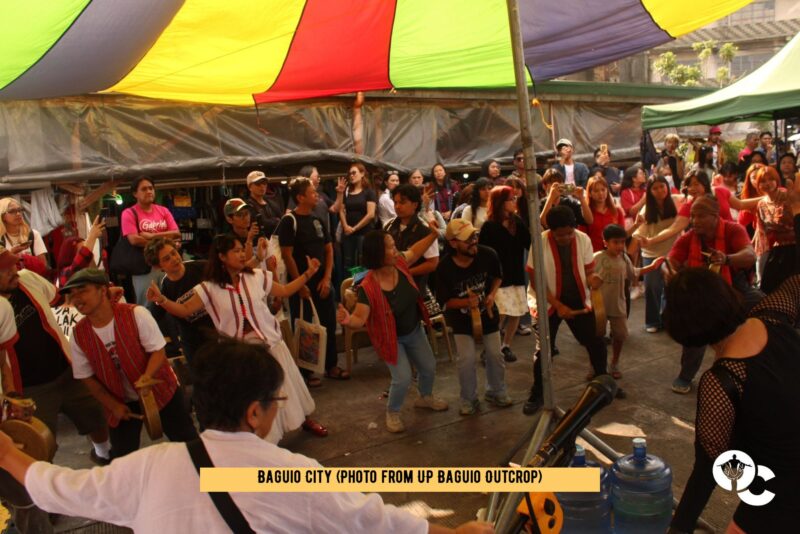
In Baguio City, progressive and local organizations converged at the Baguio Public Market on April 24 for Ag-agong (Kankanaey term meaning “gathering”). With the theme “Ipinget ti Karbengan iti Daga, Biag, ken Kabiagan,” the event served as a platform to address pressing issues of development aggression and privatization in the city, alongside the impacts of the national oil price hike. The gathering emphasized the relation of urban struggles with the broader Indigenous Peoples’ movement, linking the fight against privatization and displacement in Baguio to the defense of ancestral lands across the Cordillera. Gabriela Women’s Party Representative Sarah Elago and ACT Teachers Partylist Representative Antonio Tino served as key speakers on market privatization and neoliberal policies that plague the nation.
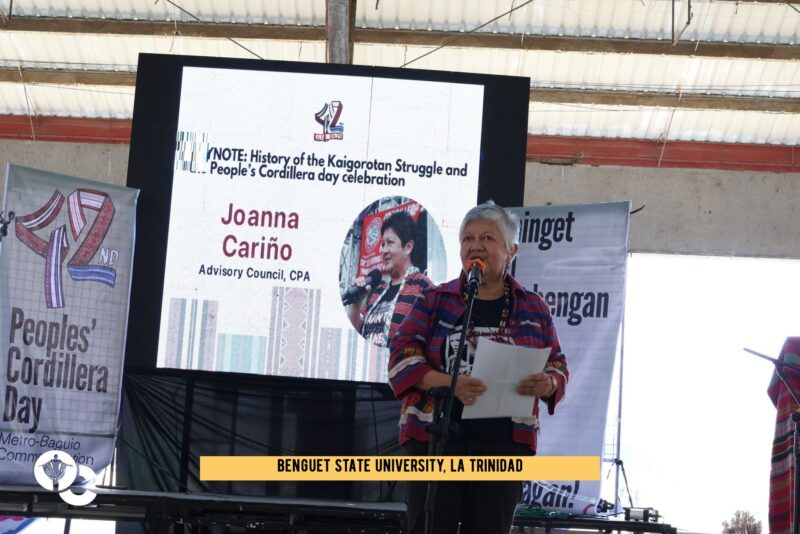
In La Trinidad, Benguet, Benguet State University hosted Aspulan (Ibaloi term meaning “gathering”), a sectoral forum that traced the historical and contemporary struggles of the Kaigorotan. Keynote speaker Joanna Cariño, a pioneer of the Cordillera Peoples Alliance, delivered the rationale and history of Peoples’ Cordillera Day, weaving together Indigenous struggles in defense of land, life, and livelihood. The first segment, Labor, Land, and Capital: The Evolution of Economic Struggle in the Cordilleras, featured Ador Ramo on workers’ organizing in Metro Baguio during the 1970s–1980s, Ampi Mangili on peasant resistance against mining and agricultural crises, Rosemarie Gonab on the urban poor’s fight against privatization and oil price hikes, and Kristine Baniqued-Dela Cruz on the plight of Benguet farmers facing market-price disparities. The second segment, Sociopolitical Resilience: Identity, Governance, and Indigenous Rights, included Ruth Batani on the academe’s role in Indigenous resistance, Gerry Cacho on youth participation in historic protests, Betty Listino on Indigenous systems and governance, and Margaux Sipin on the challenges of diaspora and cultural uprooting among Indigenous youth. Together, these exchanges highlighted the perseverance of Cordillera communities across sectors and generations.
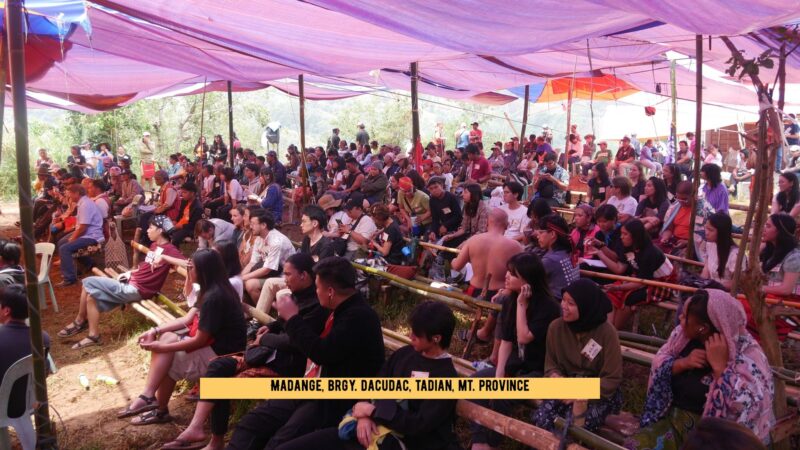
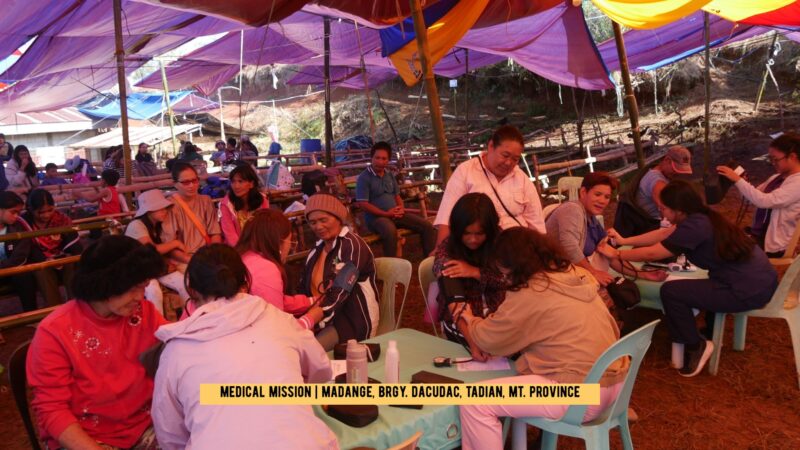
The clustered celebration of Ifugao, Mountain Province, and Benguet was held in Sitio Madange, Tadian, Mountain Province, from April 24 to 25. Delegates from across the Cordillera, Luzon, Mindanao, and abroad were welcomed by the host farmers’ associations (Madange Farmers Association, Sayapot – Am-am Farmers Association, Pasnadan Peasant Organization, and Urnos di Umili id Dekkan- Brgy. Lenga), with solidarity messages from provincial and local government officials and church leaders. Fr. Joe Requino of the Mt. Province Human Rights Alliance delivered the keynote address, highlighting urgent local issues, while CPA leaders Windel Bolinget and Bestang Dekdeken provided the rationale and the national and regional context. Workshops on agriculture, human rights, mining and energy, government policies related to Indigenous Peoples, tribal conflicts and Indigenous practices, and youth issues produced concrete proposals, later consolidated in a plenary session, a unity declaration, and an uggayam performed by Abraham Battawang of the Movement for the Advancement of Inter-Tribal Unity and Development. The 3rd year of the enforced disappearance of Dexter Capuyan and Bazoo de Jesus was commemorated, with a heartfelt call for accountability from Capuyan’s daughter, Chuwaley, followed by the solidarity night, which featured community dancing, singing, and messages. The celebration culminated in a medical mission the next day, led by volunteers of CHESTCORE and Medical Outreach Mission Fellowship Initiative (MOMFI), serving residents of Madange and nearby villages.
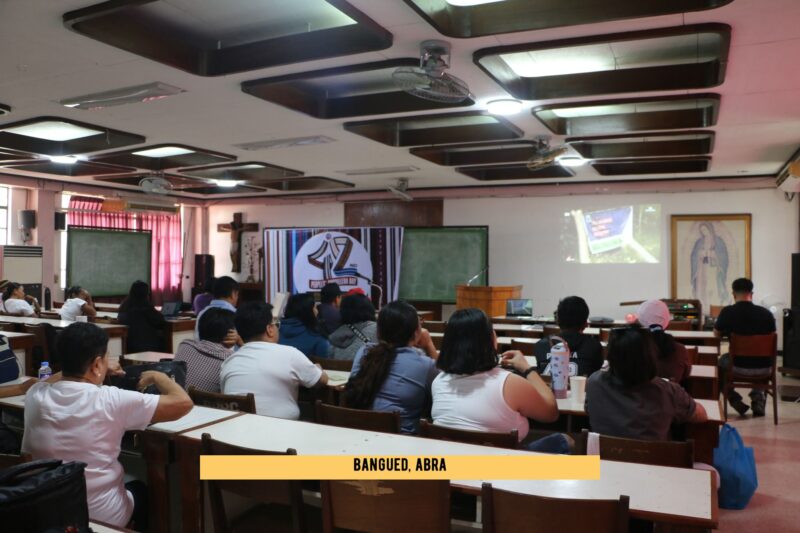
In Abra, a provincial mining forum was convened in Bangued on April 24, gathering communities affected by Yamang Mineral Corporation and Golden Lake. CPA’s Samuel Anongos discussed the mining situation, while Casselle Ton of the Cordillera Human Rights Alliance emphasized the human rights violations and vilification faced by anti-mining communities. Local leaders shared their experiences in local issues and struggles, and the forum concluded with a unity declaration affirming collective resistance against development aggression and human rights violations.
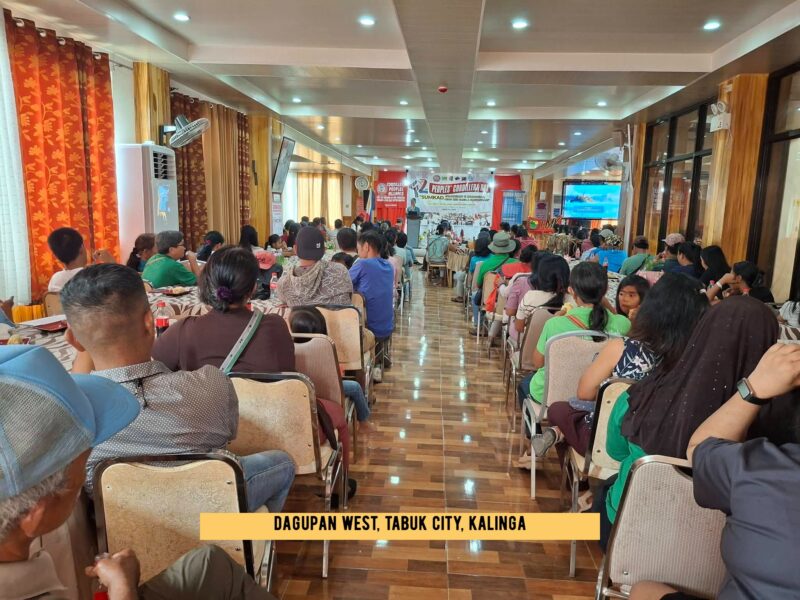
In Kalinga, the celebration was held in Dagupan West, Tabuk City, also on April 24. The program opened with prayer and historical reflections, followed by inputs on the Kalinga and national situation. Atty. Maria Catherine Dannug-Salucon delivered the keynote address, while Atty. Chris Donaal presented updates on the establishment of the Kalinga Human Rights Action Center, a response to years of militarization and harassment in the province. Solidarity messages from the IFI Diocese of Santiago and Balatoc tribe members were delivered, and Kalinga leaders issued challenges to inspire continued resistance against destructive projects. The event concluded with the approval of a unity declaration.
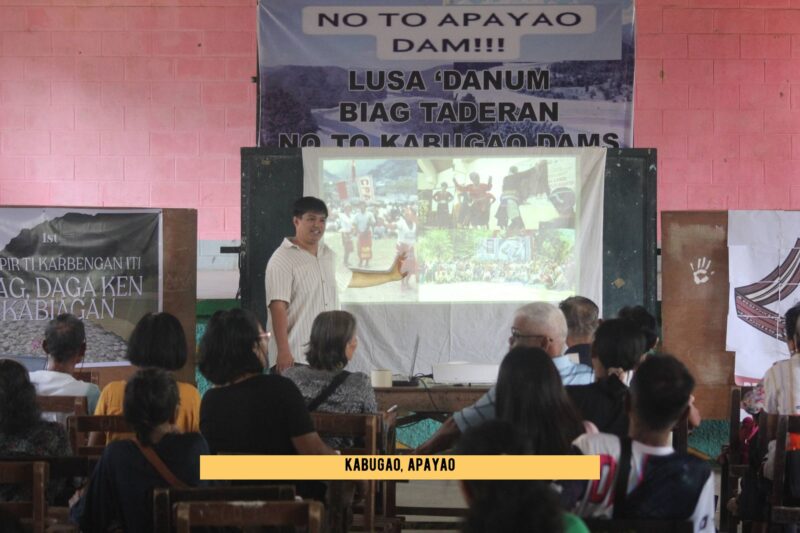
In Apayao, the first Intermunicipal Environmental Forum was held on April 25 in Kabugao with delegates from Kabugao, Conner, and Luna. Discussions focused on municipal environmental situations and organizing experiences. APIT TAKO secretariat Xian Patricio and Lulu Gimenez provided inputs on legal defense strategies and the historical roots of Apayao’s environmental crisis. The forum highlighted opposition to eight proposed hydropower projects by Pan Pacific Renewable Power Philippines, Inc., including Gened 1, Gened 2, and Maton Pump Hydropower Storage. Participants crafted a petition against said dam projects, which also served as an affirmation to continue the struggle for ancestral land defense.
The celebrations paid tribute to the people’s heroes and martyrs in the region, bearing the challenges of continuing their legacy in defense of land, life, and livelihood.
Beyond the Cordillera, solidarity celebrations were also held from April 13-26 in Metro Manila, Canada (Vancouver and Toronto), Hong Kong, and San Francisco, California.
Various reports of threats, harassment, and intimidation were also received throughout the celebrations. The presence of suspected military and police assets was noted in the activities held in Itogon, Mt. Province, and Apayao. Tarpaulins discrediting the Peoples’ Cordillera Day celebration were seen posted in public areas in La Trinidad, Apayao (Conner), and Abra (Bangued). These attempts, however, did not deter the hosts and attendees from moving forward with the events.
Overall, the 42nd Peoples’ Cordillera Day reaffirmed the unity, solidarity, and persistence in the struggle of the Cordillera peoples. Across provinces and regions, delegates shared histories of struggle, analyzed present challenges, and came up with collective plans of action. Cultural performances, prayers, workshops, tribute to heroes and martyrs, and unity declarations anchored the celebrations. Despite harassment and intimidation, the spirit of solidarity prevailed, making the 42nd Peoples’ Cordillera Day a living movement of resistance and assertion of land, life, and livelihood. #